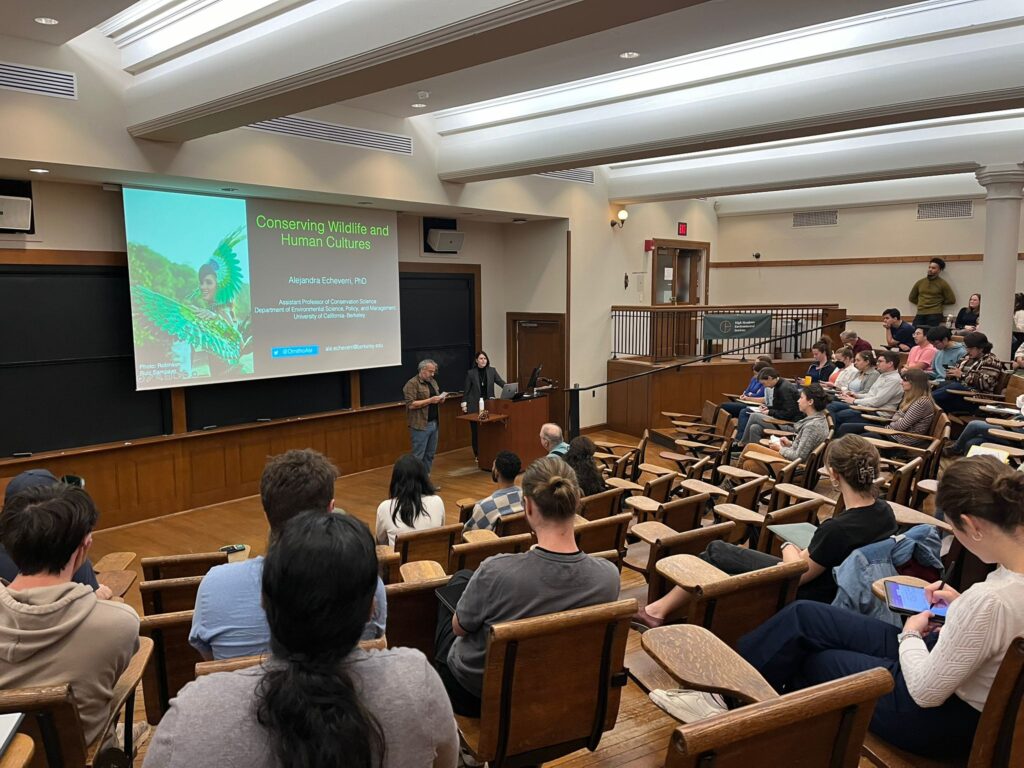
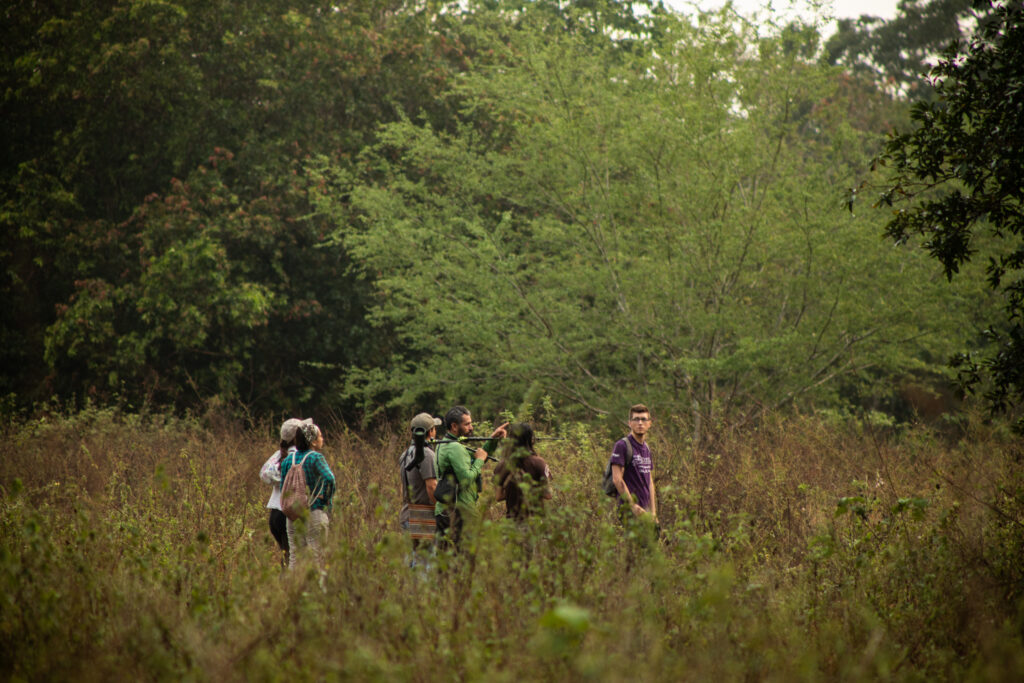
I believe learning should be joyful, collaborative, and connected to the real world. My teaching philosophy is grounded in game-based learning, self-directed exploration, and outdoor education. I aim to create a classroom environment where students are not passive recipients of knowledge but co-creators of the learning experience.
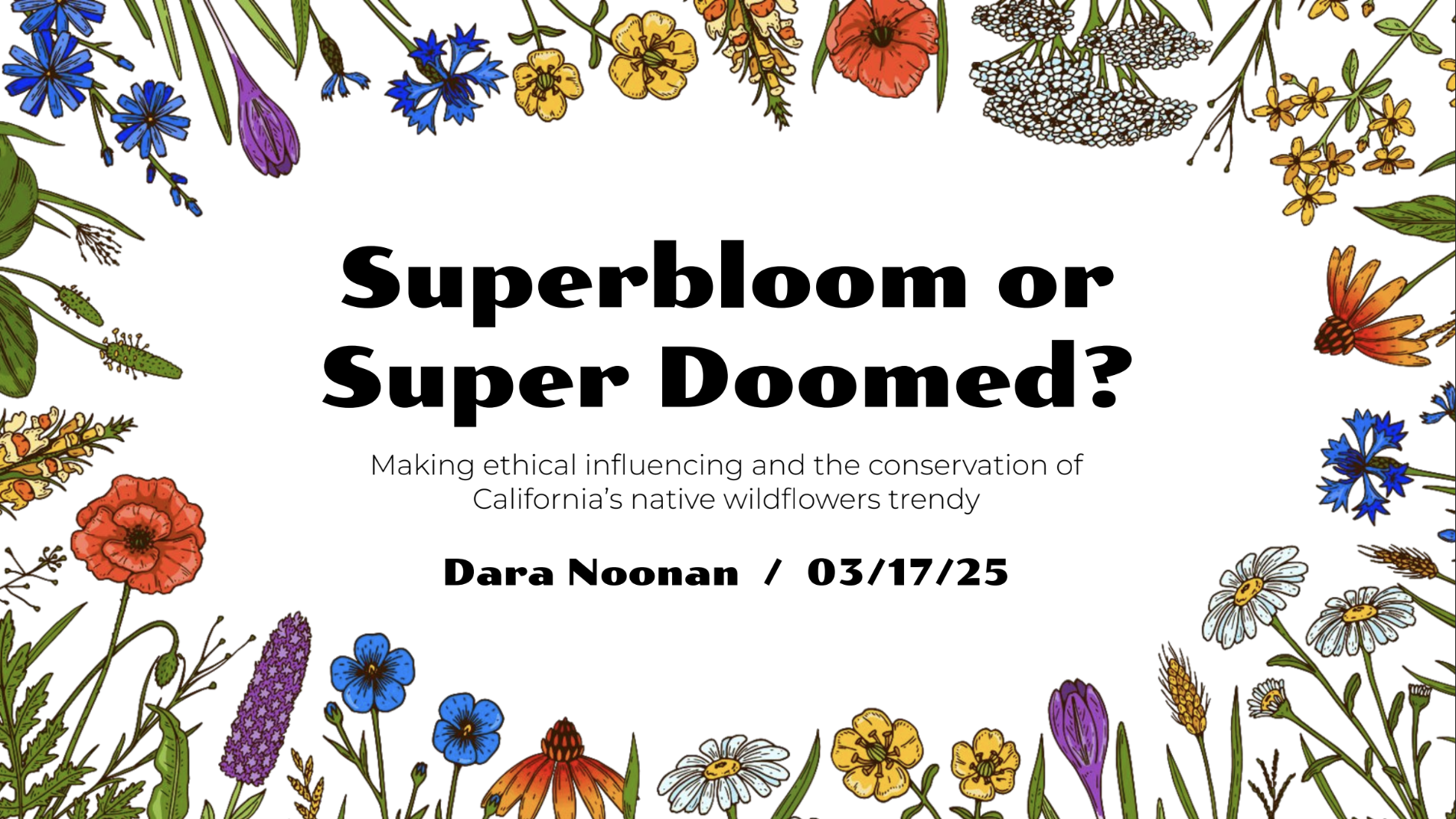
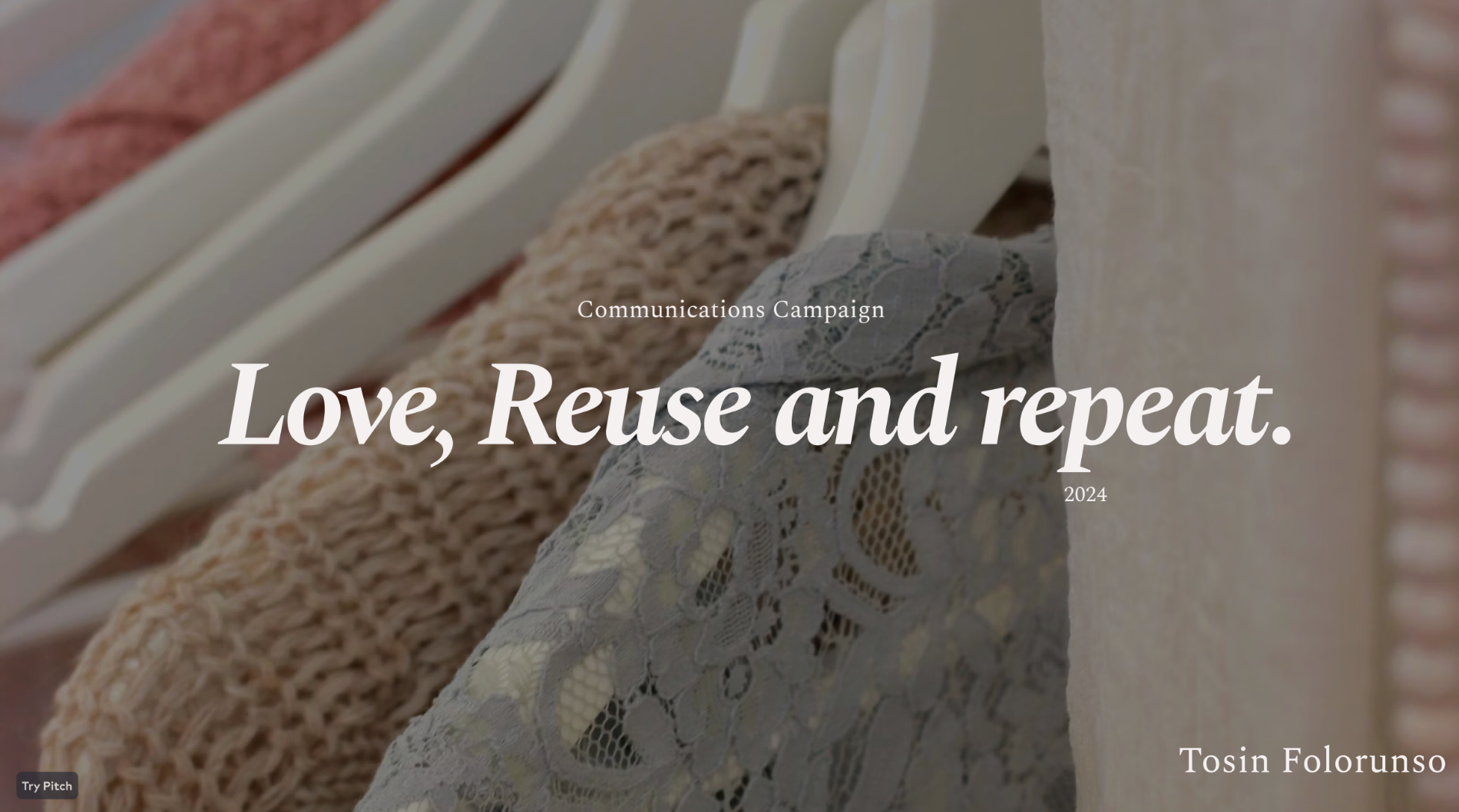
In all my courses, I incorporate equity-centered design and inclusive teaching practices that honor the diversity of student backgrounds, learning styles, and aspirations. Whether we’re designing persuasive communication campaigns, debating conservation controversies, or identifying birds on campus walks, I invite students to learn by doing. Assignments are designed not just to build technical skills, but to promote critical thinking, creativity, and a sense of civic responsibility.
What to expect as a student in my classes
- Active learning environments, often with discussions, games, and collaborative projects.
- Freedom to shape your learning: including options to choose from a menu of assignments, work at your own pace, or propose creative outputs like infographics, communication campaigns, or field-based reports.
- Supportive and inclusive spaces: where we acknowledge land histories, honor different ways of knowing (including Traditional Ecological Knowledge), and welcome diverse voices and perspectives.
- Opportunities for real-world engagement: including public galleries of student work, community partnerships, and data analysis from real conservation problems.
My approach to assignments and grading
Instead of relying on traditional exams or high-stakes assessments, I use a flexible, points-based system inspired by “ungrading” and gamified learning. Students can earn points across a range of activities—such as worksheets, reading reflections, infographic design, or data analysis projects—and build toward their final grade in a way that fits their learning style and personal goals.
This approach reduces stress and encourages students to take ownership of their learning while still upholding high academic standards. I provide detailed rubrics and individualized feedback, and students are encouraged to join office hours if things are not clear.